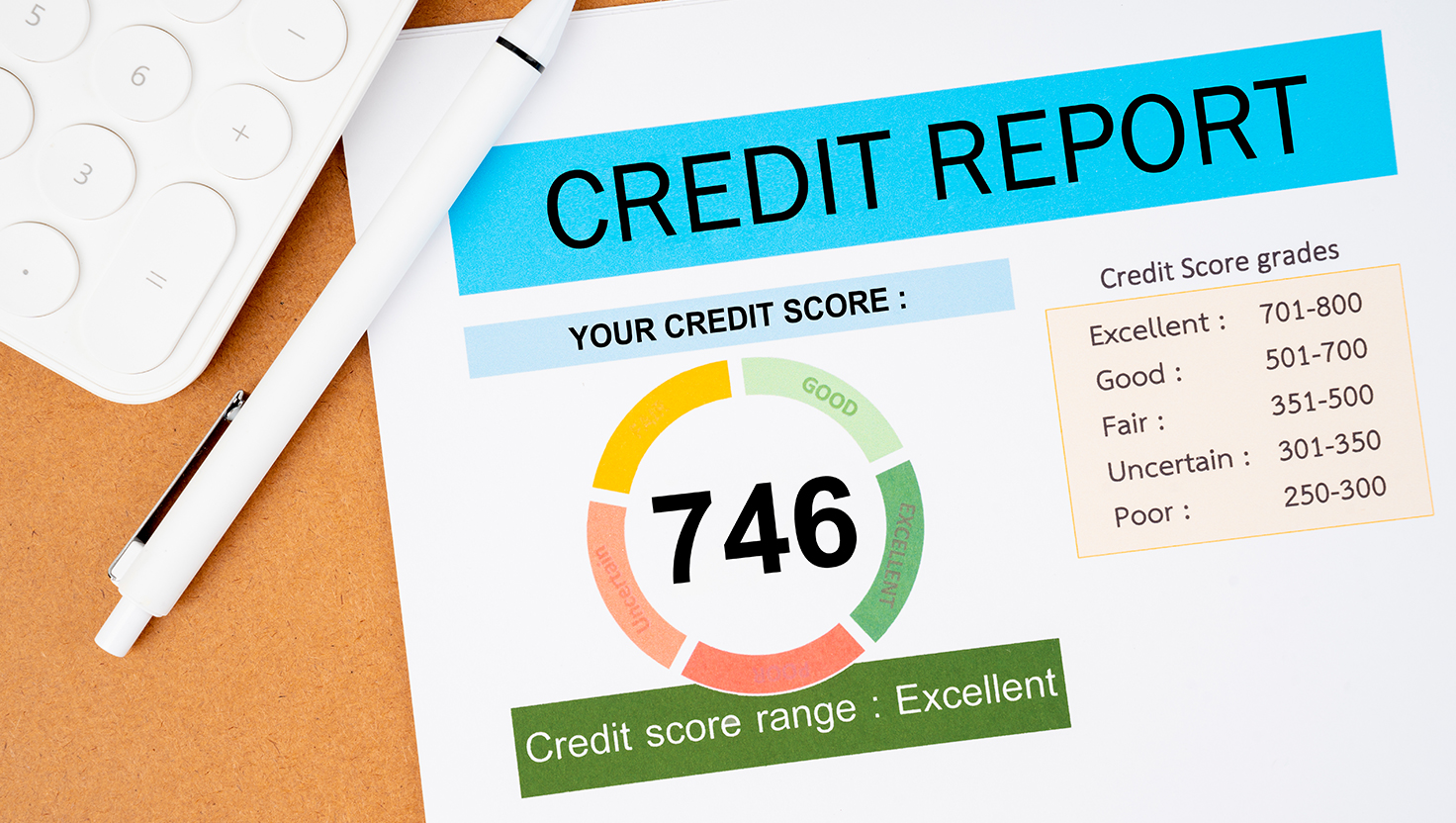

A strong credit score is more than just a number; it’s a powerful tool that opens doors to financial opportunities and offers a greater sense of security. Whether you’re looking to buy a house, finance a car, or even rent an apartment, your credit score plays a pivotal role in determining your eligibility and the terms you receive. Understanding the factors that influence your score and actively working to improve them can significantly enhance your financial standing.
The journey to a healthier credit score often begins with addressing existing issues and adopting sound financial habits. Two of the largest factors are your payment history and credit utilization. Payment history accounts for roughly 35% of your FICO score, making consistent, on-time payments paramount. Credit utilization, which is the amount of credit you’re using compared to your total available credit, makes up about 30%. Keeping this ratio low, ideally below 30%, is crucial for a strong score.
How To Raise Your Score Right Now
For those seeking immediate improvements (within 30 days), several strategies can yield quick results. Start by obtaining free copies of your credit reports from Equifax, Experian, and TransUnion through AnnualCreditReport.com. Scrutinize these reports for any inaccuracies or errors. Even a small mistake, such as an incorrect account balance or a payment incorrectly marked as late, can negatively impact your score. If you find errors, dispute them immediately with the respective credit bureau. This process can be time-consuming but is essential for an accurate credit profile.
Another quick win involves paying down your credit card balances, especially before your statement closes. This lowers your credit utilization ratio, which can instantly boost your score. If you have multiple credit cards, focus on paying down the ones with the highest balances first. Additionally, consider requesting a higher credit limit from your current credit card company. If granted, and you maintain your spending habits, this automatically reduces your utilization ratio. Finally, becoming an authorized user on a well-managed credit account belonging to a trusted individual can positively reflect on your credit report, provided the primary account holder continues to manage the account responsibly.
Build Better Credit Over Time With Good Habits
For more sustained improvements (1–6 months), focus on building consistent, positive financial habits. The cornerstone of a good credit score is on-time payments. Set up automatic payments for all your bills, or at least establish payment reminders, to ensure you never miss a due date. Even a single late payment can significantly harm your score.
If you’re starting with a low credit score, a secured credit card can be an excellent stepping stone. With a secured card, you provide a cash deposit that typically acts as your credit limit. This minimizes risk for the lender, making it easier to qualify. By making regular, on-time payments, you demonstrate responsible credit behavior, which is then reported to the credit bureaus, helping to build your credit history.
Furthermore, exploring services like Experian Boost can help incorporate your on-time utility and rent payments into your credit report. Traditionally, these payments aren’t included, but such services can leverage this data to potentially improve your score. Addressing any debts in collections is also vital. Whether you pay them off in full or negotiate a payment plan, resolving these outstanding debts stops further negative reporting and can eventually lead to their removal from your report.
What Not To Do
While working to improve your credit, it’s equally important to know what actions to avoid. Resist the temptation to close old credit accounts, even if they have a zero balance. Doing so shortens your credit history, which is a factor in your score. A longer credit history generally looks more favorable to lenders. Similarly, limit the number of new credit applications you submit. Each “hard inquiry” that results from a new credit application can temporarily ding your score. Space out your applications and only apply for credit when absolutely necessary.
Building and maintaining a strong credit score is an ongoing process that requires discipline and strategic financial management. By focusing on timely payments, managing credit utilization, addressing errors, and avoiding common pitfalls, you can steadily improve your credit score and unlock a world of financial opportunities. Community First Bank understands the importance of strong credit and offers personal and business loans at competitive rates in Minnesota, including attractive terms on home and land loans. Visiting our Menagha or Sebeka locations for more information can be a great step towards achieving your financial goals.